

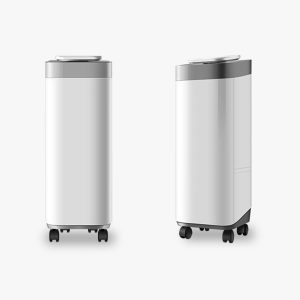

Excess moisture in your home can lead to mold growth, musty odors, and damage to your belongings. A home dehumidifier removes unwanted moisture from the air, helping you maintain a healthy indoor environment and protect your property. These appliances work by pulling humid air through their system and collecting water in a tank or draining it away.
Picking the right dehumidifier depends on your specific needs. You’ll need to consider the size of your space, the moisture level, and features like automatic shut-off or continuous drainage. Different types work better for different situations, from small portable units for bedrooms to larger models for basements.
Understanding how dehumidifiers work and what features matter most will help you make a smart choice. This guide breaks down everything you need to know about selecting, using, and maintaining a home dehumidifier.
Table of Contents
ToggleKey Takeaways
- Dehumidifiers remove excess moisture to prevent mold and protect your home
- Choose a unit based on your room size and specific moisture problems
- Regular maintenance like emptying tanks and cleaning filters keeps your dehumidifier working longer
What Is a Home Dehumidifier?
A home dehumidifier is a device that removes excess moisture from the air in your living spaces. These machines help you maintain healthy indoor humidity levels and improve your indoor air quality.
How Dehumidifiers Work
A dehumidifier pulls humid air into the unit through a fan system. The air passes over cold coils, which causes the moisture to condense into water droplets. These droplets collect in a tank or drain out through a hose.
The now-dried air moves over warm coils before flowing back into your room. This process repeats continuously until your home reaches the humidity level you set. Most dehumidifiers have built-in sensors that measure relative humidity and turn the unit on or off automatically.
The collected water fills a removable bucket that you empty regularly. Some models offer continuous drainage through a hose connection to a floor drain or sink.
Types of Dehumidifiers
Refrigerant dehumidifiers are the most common type for home use. They work well in warm temperatures and remove large amounts of moisture quickly. These units are ideal for basements, bathrooms, and laundry rooms.
Desiccant dehumidifiers use absorbent materials to pull moisture from the air. They perform better in cold spaces where refrigerant models struggle. These are quieter but typically cost more to run.
Whole-house dehumidifiers connect to your HVAC system and control humidity throughout your entire home. Portable dehumidifiers work in single rooms and move easily from space to space.
Moisture Removal and Relative Humidity
Moisture removal capacity measures how much water a dehumidifier extracts in 24 hours. Units range from 20 pints for small rooms to 70 pints or more for large spaces.
Relative humidity shows the amount of moisture in your air compared to what it could hold at that temperature. The ideal indoor humidity level stays between 30% and 50%.
When relative humidity climbs above 50%, you may notice mold growth, musty odors, and dust mites. A dehumidifier helps you maintain proper humidity control and protects your home from moisture damage. Lower humidity also makes your space feel more comfortable during hot weather.
Choosing the Best Home Dehumidifier
The right dehumidifier depends on how much moisture it removes daily, the size of your space, and how much energy it uses.
Capacity and Pints Per Day
Dehumidifiers remove moisture measured in pints per day. Small units pull 20-30 pints per day and work for minor dampness issues. Medium models handle 40-50 pints per day for moderate humidity problems.
Large dehumidifiers remove 60-70 pints per day or more. You need these for basements, very damp areas, or spaces with water damage. The best dehumidifier for your home matches your moisture level.
Consider how damp your space feels. Light dampness needs less capacity. Wet spots, musty smells, or visible moisture require higher pints per day ratings.
Coverage Area and Room Size
Coverage area tells you the maximum square footage a unit can handle. Most dehumidifiers list this number clearly on the box or specifications.
Small dehumidifiers cover up to 1,500 square feet. Medium units handle 1,500-3,000 square feet. Large models work for 3,000-5,000 square feet or more.
Measure your room before buying. A 500 square foot basement needs different capacity than a 2,000 square foot floor. Best dehumidifiers match your actual space size, not the biggest option available.
Energy Efficiency Considerations
Energy Star dehumidifiers use 15-30% less electricity than standard models. They cost more upfront but save money on power bills over time.
Look for the Energy Star Most Efficient label for top performers. These units offer the best energy savings available. Check the integrated energy factor (IEF) rating – higher numbers mean better efficiency.
Dehumidifier features like auto-shutoff and adjustable humidity settings help reduce energy waste. Built-in humidistats prevent the unit from running when unnecessary. Your electric bill depends partly on choosing energy-efficient models.
Key Features and Technologies
Modern home dehumidifiers include several important features that affect how well they work and how easy they are to use. Understanding options like drainage systems, noise output, humidity controls, and smart capabilities helps you choose the right model for your needs.
Built-In Pump vs. Gravity Drain
Dehumidifiers remove moisture from the air and collect it as water that needs to drain somewhere. You have two main drainage options to consider.
A gravity drain uses a hose attached to the unit that lets water flow downward naturally. This works well if you can place your dehumidifier near a floor drain or sump pump. The water bucket fills up otherwise, and you’ll need to empty it manually every day or two.
A dehumidifier with pump includes a built-in condensate pump that pushes water upward and outward through a hose. This pump typically moves water up to 15 feet vertically or 50 feet horizontally. You can drain water into a sink, out a window, or into a drain that’s higher than the unit itself.
The condensate pump adds $50 to $150 to the cost. It gives you more flexibility in where you place your dehumidifier since you don’t need a nearby floor-level drain.
Noise Level and Quiet Operation
Dehumidifiers make noise from their compressor and fan while running. The noise level matters most if you plan to use the unit in living spaces or bedrooms.
Most dehumidifiers produce between 40 and 55 decibels (dB) during normal operation. Quieter models run at 40-45 dB, which sounds like light rainfall or a quiet library. Standard units at 50-55 dB are about as loud as a normal conversation.
The quietest dehumidifier models use improved insulation, slower fan speeds, and better compressor mounts to reduce vibration. Look for units specifically labeled as “quiet” or check the decibel rating in the specifications.
Larger capacity units tend to make more noise because they move more air. Some models offer multiple fan speeds so you can choose quieter operation when you’re in the room.
Humidistat and Hygrometer
A humidistat is a control that lets you set your target humidity level, usually between 30% and 80% relative humidity. When the room reaches your set point, the dehumidifier turns off automatically. This saves energy and prevents over-drying.
Most built-in humidistats are accurate within 5-10%. Some units also include a hygrometer, which is a sensor that displays the current humidity level on the control panel or LED screen.
Digital controls give you more precise settings than dial controls. You can typically adjust in 5% increments. The ideal indoor humidity range is 30-50% for comfort and to prevent mold growth.
Automatic defrost is another key feature that works with the humidistat. If the coils get too cold and ice forms, the unit pauses dehumidifying and runs the fan to melt the ice.
Smart and Remote Monitoring
A smart dehumidifier connects to your home WiFi network and lets you control it through a smartphone app. You can adjust settings, check humidity levels, and receive alerts from anywhere.
Remote monitoring is useful for basement units or vacation homes. The app notifies you if the water bucket is full, if the humidity gets too high, or if the unit stops working. You don’t need to go downstairs or check on it manually.
Auto-restart is a related feature that restores your previous settings after a power outage. Without this, the unit stays off until you manually turn it back on.
Smart features typically add $30 to $100 to the price. Some models work with voice assistants like Alexa or Google Assistant for hands-free control.
Popular Home Dehumidifier Types and Brands
Home dehumidifiers come in several main types, from portable units you can move between rooms to whole-house systems that work with your HVAC. Top brands like Frigidaire and Midea offer reliable options across different price points and capacities.
Portable and Small Dehumidifiers
Portable dehumidifiers are the most common type for residential use. You can move them from room to room as needed. These units typically handle spaces between 1,500 and 4,500 square feet.
Small dehumidifiers work well for bathrooms, closets, or RVs. They usually remove 20-30 pints of moisture per day. Compact dehumidifiers fit in tight spaces without taking up much floor area.
Many portable units include wheels for easy movement. You’ll find features like automatic shut-off when the water tank fills and built-in humidistats to maintain your desired moisture level. The Frigidaire dehumidifier line offers models from 22 to 70 pints per day. Midea produces the Midea Cube, a compact dehumidifier with a modern design that removes up to 50 pints daily.
Whole-House and Ducted Dehumidifiers
Whole-house dehumidifiers connect directly to your home’s HVAC system. These units control humidity throughout your entire house from a central location. They work especially well for basements and larger homes with persistent moisture problems.
A ducted dehumidifier ties into your existing ductwork. It treats air as it circulates through your heating and cooling system. Whole-home dehumidifiers can remove 70 to 135 pints of moisture per day.
These systems cost more upfront than portable units. However, they provide consistent humidity control without requiring you to empty water tanks or move equipment. Professional installation is typically required for ducted systems.
Noteworthy Models and Innovations
Recent dehumidifier innovations focus on energy efficiency and smart controls. Many models now connect to Wi-Fi so you can monitor and adjust settings from your phone.
The Midea Cube stands out with its unique design and quiet operation at 42 decibels. It includes a reusable filter and energy-efficient compressor. Frigidaire offers models with built-in pumps that can drain water up to 15 feet away, which helps for basement applications where gravity drainage isn’t possible.
Energy Star certified models use 15-30% less electricity than standard units. Some newer dehumidifiers include air purification features with HEPA filters to remove allergens while controlling moisture.
Maintenance and Longevity
Regular cleaning and proper drainage keep your dehumidifier running efficiently for years. Most units include features like washable air filters and automatic defrost to reduce your workload.
Cleaning and Washable Air Filters
Your dehumidifier’s air filter traps dust, pet hair, and other particles from the air. Most units come with a washable air filter that you can clean instead of replacing.
You should check the filter every two weeks during regular use. Remove it from the unit and vacuum off loose dust. For deeper cleaning, rinse the filter under warm water and let it dry completely before putting it back.
A dirty filter makes your dehumidifier work harder and use more energy. It also reduces how much moisture the unit can remove from your air. Clean filters help your dehumidifier last longer and run better.
Drainage Setup and Tank Emptying
You have two main options for removing collected water. The built-in tank needs manual emptying when full, usually once or twice daily depending on humidity levels. Most units shut off automatically when the tank reaches capacity.
For continuous operation, connect a drain hose to the unit’s drainage port. This lets water flow directly into a floor drain or sink. Make sure the hose slopes downward so gravity can move the water out.
Empty and clean the water tank weekly to prevent mold and bacteria growth. Wipe it with a mild soap solution and dry it before reinstalling. The auto-restart feature will turn your unit back on after a power outage, maintaining your set humidity level without manual intervention.
Troubleshooting Common Issues
If your dehumidifier stops collecting water, check if the room temperature is below 65°F. Units with automatic defrost will pause operation when ice forms on the coils, then restart once the ice melts.
A noisy unit often means the fan blades need cleaning or the dehumidifier isn’t sitting level on the floor. Check that all panels are secure and the unit sits on a flat surface.
When your dehumidifier runs constantly without reaching your target humidity, the room might be too large for the unit’s capacity. You may also have new sources of moisture entering the space. Verify that windows and doors are properly sealed.
Special Considerations for Basements and Large Spaces
Basements require more powerful dehumidifiers due to their naturally damp conditions and larger square footage. A 50-pint dehumidifier typically handles spaces up to 3,000 square feet, making it suitable for most basement applications.
Best Dehumidifier for Basement
When choosing the best dehumidifier for basement use, you need to consider the space size and moisture level. Most basements need units with 50-pint or 70-pint capacity because they deal with constant moisture from concrete walls and floors.
Look for models with built-in pumps if your basement lacks floor drains. These pumps push water upward through a hose to a sink or window, eliminating the need to empty buckets manually. Auto-restart features are essential for basements since power outages are common.
Key features for basement units:
- Capacity of 50 pints or more
- Built-in pump or gravity drain option
- Automatic humidity control
- Energy Star certification
- Continuous drainage system
Your dehumidifier for basements should also handle temperatures down to 41°F. Standard models freeze up in cold conditions, but basement-specific units use auto-defrost functions to prevent ice buildup on coils.
Managing Humidity in Problem Areas
Problem areas like crawl spaces, laundry rooms, and storage areas need targeted approaches. You should place your dehumidifier in a central location with proper airflow around all sides.
Keep doors open between rooms to allow air circulation throughout the space. If you have a finished basement with multiple rooms, consider running a fan to move air toward the dehumidifier. Close any windows and seal cracks in walls or floors to prevent outside moisture from entering.
Check your unit’s water collection bucket daily until you understand its fill rate. Empty it before it reaches capacity to maintain continuous operation. For unattended spaces, connect a drainage hose to avoid overflow issues.
Frequently Asked Questions
Home dehumidifiers pull moisture from the air using refrigeration or absorption methods. Signs you need one include musty odors, visible mold, and condensation on windows.
How does a home dehumidifier work to reduce humidity levels indoors?
A refrigerant dehumidifier pulls warm, moist air over cold coils. The moisture condenses into water droplets that collect in a tank or drain away through a hose. The dried air then passes over warm coils before returning to your room.
Desiccant dehumidifiers use a different approach. They draw air through a material that absorbs moisture, like silica gel. The collected water drips into a container while dry air circulates back into your space.
What are the signs that indicate I need a dehumidifier in my home?
You might notice a musty or damp smell in certain rooms. This odor often means too much moisture is trapped in your home.
Water droplets on windows, walls, or pipes show excess humidity. Visible mold or mildew on walls, ceilings, or in corners indicates a moisture problem. Peeling wallpaper or paint can also signal high humidity levels.
Your home might feel sticky or uncomfortable even when the temperature is normal. Dust mites and other allergens thrive in humid conditions, which can worsen respiratory issues.
What size dehumidifier is suitable for my living space area?
You need to match the dehumidifier capacity to your room size. Small units handling 30 pints per day work well for spaces up to 1,500 square feet.
Medium-sized dehumidifiers remove 50 pints daily and suit areas between 1,500 and 2,500 square feet. Large units that extract 70 pints or more handle spaces over 2,500 square feet or very damp conditions.
Measure your room’s square footage before shopping. Consider buying a larger capacity unit if you live in a very humid climate or have significant moisture problems.
Can using a dehumidifier help to alleviate allergy symptoms?
Dehumidifiers reduce moisture that dust mites need to survive. These microscopic bugs are common allergens that thrive when humidity exceeds 50 percent.
Lower humidity levels also prevent mold growth. Mold spores trigger allergic reactions and respiratory problems in many people. Keeping humidity between 30 and 50 percent creates an environment where allergens struggle to multiply.
You may notice less sneezing, coughing, and congestion after running a dehumidifier regularly. The device does not remove existing allergens but prevents new ones from developing.
How much energy does a typical home dehumidifier consume?
A standard 50-pint dehumidifier uses between 300 and 700 watts per hour. This equals about the same energy as a computer or small window air conditioner.
Running a dehumidifier for 12 hours daily costs approximately $30 to $50 per month in electricity. Energy Star certified models use 15 to 30 percent less energy than conventional units. Your actual costs depend on your local electricity rates and how often the unit runs.
Models with humidity sensors shut off automatically when target levels are reached. This feature helps reduce energy consumption compared to units that run continuously.
What maintenance steps are recommended to ensure my dehumidifier operates effectively?
Empty the water collection bucket when it gets full or set up continuous drainage. Clean the bucket with soap and water every few weeks to prevent bacterial growth.
Remove and wash the air filter every two to four weeks. A dirty filter restricts airflow and makes your dehumidifier work harder. Most filters can be rinsed with water and reused after drying completely.
Wipe down the exterior and interior surfaces monthly to remove dust. Check the coils for frost buildup, which can indicate a problem with airflow or refrigerant. Keep at least 12 inches of clearance around the unit for proper air circulation.

- The Complete Guide To Home Dehumidifier - February 20, 2026
- Top 10 Dehumidifier Manufacturers In Italy - October 22, 2025
- Top 10 Dehumidifier Manufacturers In France - October 22, 2025
